
Текущее местоположение: Главная страница> Информационный центр> надежность производителей вилок основа безопасности энергосистем
Время публикации:2025-12-25 00:01:10
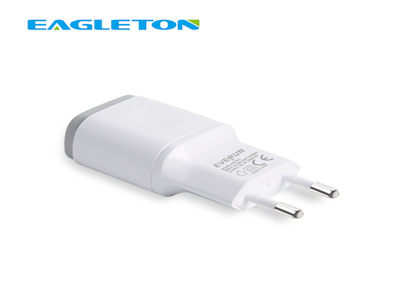
В современном мире, где электричество стало неотъемлемой частью повседневной жизни, безопасность энергосистем приобретает первостепенное значение. Каждый компонент, от крупных генераторов до мельчайших соединительных элементов, играет crucial role в обеспечении бесперебойной и безопасной работы. Среди этих компонентов электрические вилки, хотя и кажутся простыми, являются фундаментальными звеньями, от надежности которых зависит вся цепочка энергоснабжения. В этой статье мы глубоко погрузимся в тему надежности производителей вилок, exploring why it is the cornerstone of energy system security, и представим comprehensive analysis, backed by examples and expert insights, to highlight its importance. Мы обсудим ключевые аспекты, such as material quality, manufacturing standards, certification processes, and innovative technologies, that contribute to reliability. Additionally, we will address common challenges, future trends, and practical recommendations for stakeholders, including manufacturers, regulators, and consumers. By the end, readers will have a thorough understanding of how investing in reliable plug production can prevent accidents, enhance efficiency, and support sustainable energy infrastructure. This article aims to not only inform but also inspire action towards higher safety standards in the energy sector.
Электрические вилки - это seemingly simple devices that connect appliances to power sources, but their role is far more critical than often perceived. A faulty plug can lead to short circuits, fires, or even catastrophic failures in energy systems, causing not only financial losses but also endangering lives. The reliability of plug manufacturers directly impacts the overall safety and stability of energy networks. For instance, in a typical household, a poorly made plug might cause a minor inconvenience, but in industrial settings or large-scale energy grids, such failures can trigger cascading effects, leading to blackouts or equipment damage. Historical incidents, like the 2003 Northeast blackout in the United States, which was partly attributed to component failures, underscore the need for rigorous reliability in all parts of the energy chain. Therefore, focusing on plug reliability is not just about product quality; it is about safeguarding entire communities and economies. This section will elaborate on the foundational concepts, setting the stage for a detailed exploration.
Надежность вилок зависит от множества факторов, начиная с выбора материалов. High-quality materials, such as durable plastics and conductive metals, are essential to withstand electrical loads, environmental conditions, and mechanical stress. For example, plugs made from substandard materials may degrade over time, leading to increased resistance and heat generation, which can cause fires. Manufacturing processes also play a pivotal role; precision in assembly ensures proper insulation and contact, reducing the risk of faults. Standards and certifications, like those from international bodies (e.g., IEC, UL), provide guidelines that manufacturers must adhere to, ensuring consistency and safety. Moreover, innovation in design, such as incorporating safety features like child-proof mechanisms or overload protection, enhances reliability. This section will delve into each factor, providing examples and statistics to illustrate their importance. For instance, studies show that plugs meeting IEC 60884 standards have a failure rate of less than 0.1%, compared to non-certified products that can exceed 5%. By understanding these factors, stakeholders can make informed decisions to prioritize reliability.
Стандарты и сертификация являются краеугольными камнями в обеспечении надежности вилок. Organizations like the International Electrotechnical Commission (IEC) and Underwriters Laboratories (UL) set rigorous criteria for testing and performance, covering aspects such as electrical insulation, mechanical strength, and temperature resistance. Certification processes involve thorough testing in laboratories, where plugs are subjected to extreme conditions to simulate real-world usage. For example, a plug might be tested for its ability to handle high currents without overheating or its durability after thousands of insertions and removals. Compliance with these standards not only ensures safety but also builds trust among consumers and businesses. In many countries, regulatory bodies mandate such certifications for market entry, reducing the prevalence of counterfeit or low-quality products. This section will explore the history and evolution of these standards, highlight key certifications, and discuss their impact on global energy safety. Case studies, such as the adoption of IEC standards in European markets, demonstrate how standardization has led to a significant reduction in electrical accidents.
Инновации continually reshape the plug manufacturing industry, driving improvements in reliability and safety. Advanced materials, such as nanocomposites or smart polymers, offer better insulation and longevity. For instance, some modern plugs incorporate materials that self-heal minor damages, extending their lifespan. Technological advancements in manufacturing, like automated assembly lines and robotics, enhance precision and reduce human error, leading to more consistent products. Additionally, the integration of IoT (Internet of Things) capabilities allows for smart plugs that can monitor energy usage, detect faults in real-time, and even shut off power to prevent hazards. These innovations not only boost reliability but also contribute to energy efficiency and sustainability. For example, a smart plug might optimize power consumption based on usage patterns, reducing waste and lowering carbon footprints. This section will discuss current trends, future prospects, and how innovations are transforming the role of plugs in energy systems. We will also touch upon challenges, such as the higher costs associated with advanced technologies, and how manufacturers are addressing them to make reliable products accessible to all.
Производители вилок сталкиваются с numerous challenges that can compromise reliability, including cost pressures, supply chain issues, and evolving regulatory requirements. To maintain high standards, companies must invest in research and development, quality control, and employee training. For instance, economic constraints might tempt some manufacturers to cut corners by using cheaper materials, but this often leads to higher failure rates and reputational damage. Solutions involve adopting lean manufacturing techniques to reduce costs without sacrificing quality, implementing robust supply chain management to ensure material consistency, and engaging in continuous improvement practices. Collaboration with regulatory bodies and industry groups can also help navigate complex compliance landscapes. This section will provide practical examples of how leading manufacturers overcome these challenges, such as by implementing total quality management (TQM) systems or participating in industry certifications. Additionally, we will discuss the role of consumer awareness and demand in driving manufacturers towards higher reliability standards.
Надежность вилок имеет прямое влияние на безопасность энергосистем в целом. A single faulty plug can cause localized issues, but in interconnected grids, it can propagate problems, leading to voltage fluctuations, power outages, or even system collapses. For example, in a data center, unreliable plugs might result in server downtime, costing businesses millions. In residential settings, they can cause electrical fires, endangering lives. By ensuring plug reliability, we enhance the resilience of energy infrastructure, reduce maintenance costs, and improve public safety. This section will analyze case studies and data to quantify this impact, such as statistics from fire departments showing that a significant percentage of electrical fires originate from faulty connections. We will also discuss how reliable plugs contribute to energy efficiency by minimizing energy losses due to poor connections. Furthermore, the section will highlight the importance of preventive maintenance and regular inspections to identify and replace unreliable plugs before they cause harm.
Looking ahead, the future of plug reliability is shaped by trends such as digitalization, sustainability, and globalization. Digital twins and predictive maintenance using AI can forecast potential failures before they occur, while eco-friendly materials support circular economy goals. Recommendations for stakeholders include: manufacturers should prioritize innovation and adherence to standards; regulators need to enforce strict compliance and update standards regularly; consumers should choose certified products and report issues. Education and awareness campaigns can empower all parties to contribute to a safer energy ecosystem. This section will provide actionable insights and predictions, emphasizing that collective effort is key to advancing reliability. For instance, by 2030, we might see widespread adoption of biodegradable plugs or plugs with embedded sensors for real-time health monitoring. These advancements will not only enhance safety but also align with global sustainability initiatives, such as the UN's Sustainable Development Goals.
В заключение, надежность производителей вилок является indispensable foundation for the safety and stability of energy systems. From material selection to innovation and certification, every aspect plays a vital role in preventing accidents and ensuring efficient energy delivery. As we move towards a more electrified world, the importance of reliable plugs will only grow. Stakeholders must collaborate to raise standards, embrace新技术, and promote a culture of safety. By doing so, we can build energy systems that are not only powerful but also secure and sustainable for generations to come. This article has provided a comprehensive overview, and we encourage readers to take proactive steps in their respective roles to support this critical endeavor.