Текущее местоположение: Главная страница> Информационный центр> Какой европейский штекер подходит для путешествий по ЕС
Время публикации:2025-12-24 04:01:10
Путешествия по Европейскому союзу — это захватывающий опыт, полный культурных открытий и новых впечатлений. Однако, современный путешественник часто сталкивается с техническими вызовами, одним из которых является необходимость подключать электронные устройства к местным розеткам. Разнообразие стандартов штекеров в разных странах ЕС может вызвать путаницу и неудобства. В этой статье мы подробно разберем, какой европейский штекер лучше всего подходит для поездок по ЕС, учитывая такие аспекты, как тип штекера, совместимость, безопасность и практичность. Мы охватим основные стандарты, включая Type C, Type F, Type E и Type G, а также дадим рекомендации по выбору универсальных адаптеров. Цель — помочь вам избежать распространенных ошибок и наслаждаться путешествием без забот о зарядке устройств.
Европейский союз объединяет 27 стран, каждая из которых может иметь свои особенности в электропитании. Хотя многие государства стандартизировали напряжение на 230 В и частоту 50 Гц, тип розеток и штекеров варьируется. Неправильный выбор штекера может привести к невозможности подключения устройств, повреждению гаджетов или даже к опасным ситуациям, таким как короткое замыкание. Например, в Германии распространены розетки Type F, в то время как во Франции — Type E, а в Великобритании, которая ранее входила в ЕС, до сих пор используется Type G. Понимание этих различий критически важно для любого путешественника, особенно если вы планируете посетить несколько стран за одну поездку. В этой статье мы предоставим исчерпывающую информацию, основанную на актуальных стандартах и практическом опыте, чтобы вы могли сделать informed decision.
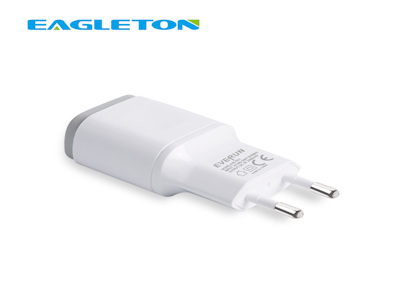
В Европе наиболее распространены четыре типа штекеров: Type C, Type F, Type E и Type G. Каждый из них имеет уникальные характеристики и применяется в specific странах. Type C, также известный как "Europlug", является самым универсальным и подходит для двухконтактных розеток без заземления. Он используется во многих странах ЕС, таких как Испания, Италия и Нидерланды, но может не подходить для устройств, требующих заземления. Type F, или "Schuko", популярен в Германии, Австрии и странах Северной Европы; он имеет два круглых контакта и заземляющий контакт по бокам. Type E, характерный для Франции, Бельгии и Польши, аналогичен Type F, но с заземляющим штырем в розетке. Type G, используемый в Великобритании и Ирландии, имеет три прямоугольных контакта и требует отдельного адаптера для большинства европейских розеток. В следующих разделах мы детально рассмотрим каждый тип, их преимущества и ограничения.
Type C, или Europlug, — это perhaps самый распространенный штекер в Европе. Он designed для напряжения до 250 В и тока до 2,5 А, что делает его suitable для зарядки smartphones, планшетов и других маломощных устройств. Его compact design с двумя круглыми контактами позволяет легко вставлять в различные розетки, включая Type E и F, благодаря compatibility с их apertures. Однако, отсутствие заземления означает, что он не safe для high-power appliances, таких как ноутбуки или фены, которые могут требовать заземления для предотвращения ударов током. В путешествиях по ЕС, Type C often достаточен, если вы используете only гаджеты с low power consumption. Например, в странах like Италия или Греция, где розетки Type C common, you can directly use this plug without issues. Но если вы посещаете страны с розетками Type F or E, Type C will work, but may not provide optimal safety. We recommend carrying a Type C adapter as a backup, especially for short trips.
Type F, известный как Schuko (от немецкого "Schutzkontakt"), is a grounded plug widely used in Germany, Austria, Sweden, and other parts of Northern and Central Europe. It features two round pins and two grounding clips on the sides, ensuring safe connection for devices that require earthing. This plug is rated for up to 16 A and 250 V, making it suitable for most electronics, including laptops, cameras, and hair dryers. In the EU, countries like Netherlands and Denmark also use Type F розетки, so if your journey focuses on these regions, a Type F plug is essential. One advantage of Type F is its compatibility with Type C devices; you can often insert a Type C plug into a Type F розетка, though without grounding. For travelers, investing in a Type F adapter or a universal adapter that includes Type F is a smart move, as it covers a broad range of countries. Safety-wise, Type F provides better protection against electrical faults, reducing risks during use.
Type E is primarily used in France, Belgium, Poland, and some other countries. It similar to Type F but has a grounding pin that protrudes from the розетка, rather than clips on the plug. This means that Type E plugs have two round pins and a hole for the grounding pin, while Type F plugs have clips. In practice, many devices and adapters are designed to be compatible with both Type E and F, as the pin configuration is similar. However, pure Type E plugs may not fit into Type F розетки without an adapter, and vice versa. For travel in the EU, if you're visiting France or Belgium, a Type E adapter is recommended. Voltage and frequency are standard at 230 V/50 Hz, so most devices will work fine. It's important to note that some older buildings in these countries might have non-standard розетки, so carrying a universal adapter is wise. Type E is safe and efficient, but its limited geographic spread means it's less universal than Type C or F.
Type G is the standard plug in the United Kingdom, Ireland, Malta, and Cyprus. It features three rectangular pins in a triangular formation and is designed for 230 V/50 Hz. Although the UK is no longer part of the EU, many travelers include it in their European tours, so understanding Type G is crucial. This plug is robust and safe, with built-in fuses for overload protection. However, it is not compatible with other European розетки, so you will need a specific Type G adapter or a universal adapter that includes it. In the EU, only Malta and Cyprus use Type G, so if your itinerary excludes these countries, you might not need it. For comprehensive travel, a universal adapter with Type G support is ideal. Remember, voltage is the same, so devices will work, but the plug shape requires adaptation. We advise checking your destination list beforehand to avoid carrying unnecessary adapters.
To choose the best plug for your EU travel, consider factors like the countries you'll visit, the devices you'll use, and safety requirements. Type C is the most versatile for low-power devices and works in many places, but lacks grounding. Type F is excellent for Germany and nearby countries, offering safety for higher-power appliances. Type E is necessary for France and Belgium, while Type G is for the UK and Ireland. A universal travel adapter that supports multiple types (e.g., including C, F, E, G) is often the best solution, as it provides flexibility and covers all scenarios. For example, the Skross World Adapter or similar products allow you to switch between plug types easily. Additionally, check your device's power requirements; most modern electronics have dual voltage (100-240 V), so you only need to worry about the plug shape. If your device is not dual voltage, you may also need a voltage converter, but this is rare for gadgets like phones and laptops.
When using European plugs, always prioritize safety. Ensure that your adapter is certified for use in the EU (look for CE marking) and avoid cheap, uncertified products that can cause fires or damage. Test the plug fit before fully inserting it; some розетки may be loose or outdated. Keep adapters dry and away from heat sources. For multi-country trips, pack a universal adapter with USB ports for convenient charging of multiple devices. Also, be aware of local electrical standards; for instance, in some Southern European countries, power outages can occur, so having a power bank as backup is helpful. Lastly, educate yourself on emergency procedures; know how to turn off power in your accommodation if needed. By following these tips, you can enjoy a hassle-free journey without electrical worries.
В заключение, выбор правильного европейского шкекера для путешествий по ЕС depends on your specific itinerary and device needs. For most travelers, a universal adapter that includes Type C, F, E, and G is the optimal choice, providing coverage across the region. Focus on safety by selecting certified products and understanding the power requirements of your gadgets. Remember, while Type C is widely compatible, it may not suffice for all situations. Plan ahead by researching the plug types in your destination countries, and consider carrying a backup adapter. With the right preparation, you can ensure that your electronic devices remain charged and functional throughout your European adventure, allowing you to fully immerse yourself in the experience. Safe travels!
This article has provided a comprehensive overview of European plugs for EU travel. For more details, consult official resources or travel guides. Happy journey!