
Текущее местоположение: Главная страница> Информационный центр> Двойной сердечник кабель питания переворот в мире энергопитания
Время публикации:2025-12-22 12:01:10
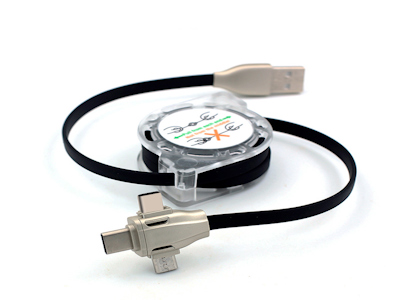
В современном мире, где технологии развиваются с невероятной скоростью, обеспечение надежного и эффективного энергопитания стало критически важным. От бытовых устройств до промышленных систем, каждый аспект нашей жизни зависит от электричества. Однако традиционные кабели питания часто сталкиваются с проблемами, такими как перегрев, потери энергии и ограниченная пропускная способность. Именно здесь на сцену выходит инновация – кабель с двойным сердечником, который promises совершить настоящий переворот в мире энергопитания.
Этот прорыв не просто улучшает существующие технологии; он открывает новые горизонты для энергоэффективности, безопасности и sustainability. В этой статье мы глубоко погрузимся в тему, exploring преимущества, технологические аспекты, историю развития и будущие перспективы двойных сердечниковых кабелей. Мы также рассмотрим реальные примеры применения и то, как эта инновация может изменить наше повседневное life.
Двойной сердечник кабель питания – это тип электрического кабеля, который features два отдельных проводящих сердечника вместо одного. Эти сердечники обычно изготавливаются из высокопроводящих материалов, таких как медь или алюминий, и могут быть configured для различных целей, например, для передачи энергии с повышенной эффективностью или для redundancy в критических системах.
Конструкция такого кабеля позволяет распределять нагрузку более равномерно, снижая риск перегрева и увеличивая общую пропускную способность. Кроме того, двойной сердечник может включать дополнительные слои изоляции и защиты, что делает его более безопасным и durable в сравнении с традиционными аналогами.
Исторически, single-core кабели доминировали в энергопитании due to их простоты и low cost. Однако с ростом demand для более мощных и reliable систем, инженеры began искать альтернативы. Первые прототипы двойных сердечниковых кабелей появились в early 2000-х, но только в последнее десятилетие они gained широкое признание благодаря advances в materials science и manufacturing processes.
Сегодня, эти кабели используются в various областях, от consumer electronics до industrial applications, и их popularity continues to grow. Они represent значительный шаг forward в quest для более efficient и sustainable energy solutions.
Одним из key преимуществ двойного сердечника является improved энергоэффективность. Благодаря dual conductors, кабель can handle higher currents with less resistance, что приводит к reduced energy losses. Это особенно важно в large-scale systems, таких как data centers или power grids, где даже small improvements в efficiency can result in significant cost savings и reduced environmental impact.
Another major advantage – enhanced безопасность. Двойной сердечник allows for better heat dissipation, reducing the risk of overheating и potential fires. Additionally, many designs incorporate fail-safe mechanisms; if one core fails, the other can take over, ensuring uninterrupted power supply. Это делает их ideal для critical applications, like medical equipment или emergency systems.
Durability и longevity также improved. With two cores, the cable is less prone to wear and tear, and the materials used are often more resistant to environmental factors such as moisture, chemicals, and physical stress. Это означает longer service life и lower maintenance costs over time.
Flexibility в применении – еще один плюс. Двойные сердечниковые кабели can be customized for specific needs, whether it's for high-voltage transmission или low-power consumer devices. Они также compatible with smart technologies, enabling features like real-time monitoring и adaptive power management.
Разработка двойных сердечниковых кабелей involved several technological breakthroughs. Key among them is the use of advanced materials, such as superconductors или nanocomposites, which further enhance conductivity и reduce size. Manufacturing processes have also evolved, with techniques like extrusion и coiling allowing for precise control over the cable's properties.
Integration with digital technologies is another frontier. Smart cables with embedded sensors can monitor temperature, current, and other parameters, sending data to central systems for analysis. Это enables predictive maintenance и optimizes energy usage, contributing to the broader trend of IoT (Internet of Things) in energy management.
Research continues to push boundaries. For example, scientists are exploring the use of graphene-based cores for even higher efficiency, or biodegradable materials for environmental sustainability. These innovations promise to make double-core cables even more versatile and future-proof.
Двойные сердечниковые кабели уже making a impact across various sectors. In the consumer realm, they are used in high-end smartphones, laptops, and electric vehicles, where efficient power delivery is crucial for performance и battery life.
In industry, они deployed in manufacturing plants, renewable energy systems (e.g., solar and wind farms), and telecommunications infrastructure. For instance, in data centers, these cables help reduce energy consumption by up to 20%, according to some studies, which is vital for reducing carbon footprints.
Medical field benefits greatly; equipment like MRI machines и surgical tools rely on reliable power, and double-core cables ensure that power interruptions are minimized. Similarly, in transportation, electric trains и aircraft use these cables for efficient energy distribution.
Case studies highlight success stories. A major tech company reported a 15% increase in efficiency after switching to double-core cables in their servers. Another example is a city that upgraded its power grid with these cables, resulting in fewer outages и lower maintenance costs.
Looking ahead, двойные сердечниковые кабели are poised to play a central role in the future of energy. As the world shifts towards renewable sources and electrification (e.g., electric cars, smart homes), the demand for efficient power transmission will only grow.
These cables could facilitate the development of microgrids and decentralized energy systems, where local generation and consumption are optimized. They also align with global sustainability goals, such as reducing greenhouse gas emissions by improving energy efficiency.
Challenges remain, such as cost barriers и the need for standardization. However, with ongoing research and adoption, prices are expected to decrease, making them more accessible. Collaboration between industries and governments will be key to widespread implementation.
In conclusion, the double-core power cable represents a transformative innovation. It not only addresses current limitations but also opens doors to new possibilities. By embracing this technology, we can build a more reliable, efficient, and sustainable energy future for all.
This article has only scratched the surface; the potential is vast, and we encourage readers to explore further and consider how double-core cables might benefit their own projects and lives.