
Текущее местоположение: Главная страница> Информационный центр> Оптовая закупка кабелей питания ключ к экономии и эффективности
Время публикации:2025-12-12 08:01:10
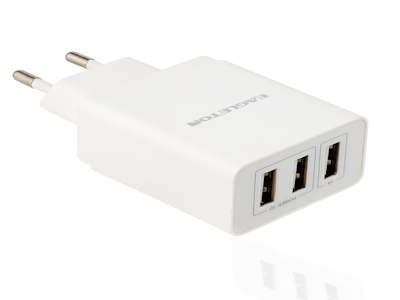
В современном мире бизнеса и технологий, где электричество является основой почти всех процессов, надежные и качественные кабели питания играют критически важную роль. От промышленных предприятий до офисных помещений, от центров обработки данных до бытового использования – кабели обеспечивают бесперебойную подачу энергии, что напрямую влияет на производительность, безопасность и общую эффективность. Однако многие компании упускают из виду потенциал экономии и оптимизации, который скрывается в стратегическом подходе к закупкам. Именно оптовая закупка кабелей питания может стать тем самым ключом, который откроет дверь к значительной экономии средств, повышению операционной эффективности и укреплению конкурентных преимуществ. В этой статье мы подробно рассмотрим, почему оптовая закупка кабелей питания является не просто выгодной сделкой, а стратегическим решением для бизнеса любого масштаба. Мы обсудим преимущества этого подхода, практические шаги для его реализации, потенциальные вызовы и способы их преодоления, а также представим реальные примеры успешного применения. К концу чтения вы будете вооружены знаниями, необходимыми для того, чтобы превратить закупку кабелей из рутинной задачи в мощный инструмент роста и устойчивости вашей организации.
Кабели питания – это не просто провода; они являются артериями, по которым течет жизнь современных технологий и инфраструктур. Без них невозможно представить работу компьютеров, серверов, производственного оборудования, систем освещения и множества других устройств. Качество кабелей напрямую влияет на безопасность: некачественные изделия могут привести к коротким замыканиям, пожарам или повреждению дорогостоящего оборудования. Кроме того, в эпоху цифровизации и Интернета вещей (IoT) потребность в надежных кабелях только растет. Например, в центрах обработки данных, где тысячи серверов работают 24/7, даже малейший сбой в подаче питания может обернуться миллионными убытками из-за простоя. Поэтому инвестиции в качественные кабели – это не только вопрос функциональности, но и стратегическая необходимость для минимизации рисков.
Однако закупка кабелей часто воспринимается как второстепенная задача, которую делегируют низшим звеньям управления или выполняют по мере необходимости. Это приводит к фрагментарным покупкам, более высоким ценам за единицу и увеличению логистических издержек. Именно здесь на первый план выходит оптовая закупка. Покупая кабели оптом, компании могут не только сэкономить на стоимости, но и стандартизировать свои запасы, упростить управление цепочками поставок и обеспечить долгосрочную доступность критически важных компонентов. В следующих разделах мы углубимся в детали, чтобы показать, как этот подход может трансформировать ваши бизнес-процессы.
Оптовая закупка предлагает ряд неоспоримых преимуществ, которые делают ее привлекательной для бизнесов всех размеров. Во-первых, это значительная экономия на стоимости. При покупке крупными партиями поставщики часто предоставляют скидки, которые могут достигать 20-30% по сравнению с розничными ценами. Например, если компания закупает 1000 метров кабеля вместо 100, цена за метр может снизиться с 50 рублей до 35 рублей, что в пересчете на общий объем дает экономию в 15,000 рублей. Для крупных предприятий с годовым потреблением в десятки километров кабеля такие savings могут составить сотни тысяч или даже миллионы рублей, которые можно reinvest в другие области бизнеса, такие как исследования и разработки или маркетинг.
Во-вторых, оптовая закупка способствует повышению эффективности логистики. Вместо того чтобы организовывать multiple deliveries для небольших партий, компании могут consolidated заказы into fewer shipments, reducing transportation costs and minimizing the carbon footprint. Это также упрощает складское хозяйство: having a centralized inventory of cables reduces the risk of stockouts and eliminates the need for emergency purchases at premium prices. Кроме того, standardized закупки allow for better planning and forecasting. For instance, a manufacturing plant can schedule maintenance and expansions more effectively when it knows that cables are always available in sufficient quantities.
В-третьих, оптовая закупка enhances reliability and quality control. By establishing long-term relationships with suppliers through bulk orders, companies can negotiate better terms, such as warranties, technical support, and customized products. This reduces the risk of receiving substandard goods and ensures consistency in performance. For example, in the construction industry, where cables are used in critical infrastructure projects, having a reliable supply chain is essential to avoid delays and cost overruns. Moreover, bulk purchasing allows for thorough testing of samples before committing to large orders, further mitigating risks.
Наконец, этот подход supports scalability and growth. As businesses expand, their need for cables increases. Opтовая закупка provides a foundation for seamless scaling without the hassle of frequent renegotiations or supply chain disruptions. It also fosters innovation: with saved funds, companies can invest in newer, more efficient cable technologies, such as those with higher conductivity or better insulation, which can lead to additional energy savings over time.
To successfully implement a wholesale purchasing strategy for power cables, businesses need to follow a structured approach. First, conduct a thorough needs assessment. Analyze historical data to determine annual consumption patterns, identify the types of cables required (e.g., for low voltage, high voltage, specific environments like outdoors or hazardous areas), and forecast future needs based on business growth plans. Tools like inventory management software can aid in this process by providing insights into usage trends and reorder points.
Second, research and select reliable suppliers. Look for vendors with a proven track record, certifications (e.g., ISO standards), and positive customer reviews. Consider factors such as price, delivery times, payment terms, and after-sales support. It's advisable to request quotations from multiple suppliers and negotiate bulk discounts. For instance, a company might start with a trial order to test the supplier's reliability before committing to a large contract.
Third, develop a procurement plan. This should include details on order quantities, delivery schedules, and budget allocations. Use economic order quantity (EOQ) models to optimize order sizes and minimize holding costs. For example, if the annual demand for a certain cable is 10,000 meters, and the ordering cost is 500 rubles per order with a holding cost of 5 rubles per meter per year, the EOQ can be calculated to find the most cost-effective order size.
Fourth, implement efficient inventory management practices. Use just-in-time (JIT) or periodic review systems to avoid overstocking or stockouts. Regularly audit inventory levels and adjust orders based on actual consumption. Training staff on proper storage and handling of cables can also prevent damage and extend product life.
Fifth, monitor and evaluate performance. Track key metrics such as cost savings, delivery accuracy, and supplier responsiveness. Use this data to refine the strategy over time and address any issues promptly. For example, if a supplier consistently delays shipments, it might be time to switch to a more reliable partner.
Despite its benefits, wholesale purchasing of power cables comes with challenges that need to be addressed. One common issue is the upfront capital requirement. Buying in bulk requires a significant initial investment, which might strain cash flow, especially for small businesses. To mitigate this, companies can explore financing options such as trade credit from suppliers or short-term loans. Alternatively, they can start with smaller bulk orders and gradually increase volume as cash flow improves.
Another challenge is storage space. Large quantities of cables require adequate storage facilities to prevent damage from environmental factors like moisture or heat. Investing in proper warehousing or using third-party logistics providers can solve this problem. For instance, renting a climate-controlled warehouse ensures that cables remain in optimal condition until needed.
Supplier reliability is also a concern. If a supplier fails to deliver on time or provides low-quality products, it can disrupt operations. To avoid this, diversify the supplier base by working with multiple vendors or include penalty clauses in contracts for non-performance. Regular audits and quality checks can further ensure compliance with standards.
Additionally, market fluctuations in raw material prices (e.g., copper) can affect cable costs. Companies can hedge against price volatility by locking in prices through long-term contracts or using futures markets. Staying informed about market trends and building strong relationships with suppliers can also help in negotiating better deals during volatile periods.
Lastly, there's the risk of technological obsolescence. As new cable technologies emerge, old stock might become outdated. To manage this, focus on purchasing versatile cables that have a long shelf life and can be used in various applications. Regularly review inventory and phase out obsolete items through discounts or recycling programs.
Many companies have successfully leveraged wholesale purchasing of power cables to achieve significant savings and efficiency gains. For example, a large data center operator in Moscow switched to bulk buying after experiencing frequent stockouts during peak demand periods. By negotiating a contract with a major supplier for annual deliveries of high-quality cables, they reduced their procurement costs by 25% and improved uptime by ensuring always-available inventory. This allowed them to handle increase data traffic without interruptions, enhancing customer satisfaction.
Another case is a manufacturing plant in St. Petersburg that implemented a JIT inventory system combined with wholesale orders. They worked closely with a local supplier to schedule deliveries based on production cycles, reducing holding costs by 30% and minimizing waste from damaged cables. The savings were reinvested into automation, further boosting productivity.
In the renewable energy sector, a solar farm project in Siberia used bulk purchasing to source cables for its extensive network. By buying in large quantities, they secured volume discounts and standardized their infrastructure, which simplified maintenance and reduced installation time. This contributed to the project's completion ahead of schedule and under budget.
These examples demonstrate that with careful planning and execution, wholesale purchasing can deliver tangible benefits across various industries.
In conclusion, wholesale purchasing of power cables is a powerful strategy that can drive economic savings and operational efficiency for businesses. By reducing costs, improving logistics, enhancing reliability, and supporting growth, it transforms a mundane aspect procurement into a strategic asset. As technology evolves and the demand for reliable power infrastructure grows, adopting bulk buying practices will become increasingly important. Companies that embrace this approach today will be better positioned to navigate future challenges and seize opportunities in competitive markets. Start by assessing your needs, building strong supplier relationships, and continuously optimizing your processes to unlock the full potential of wholesale purchasing.
Remember, the key to success lies in proactive planning and adaptability. Whether you're a small startup or a large corporation, the principles outlined in this article can help you harness the benefits of wholesale purchasing to achieve long-term sustainability and success. Invest in quality cables, invest in your future.