Текущее местоположение: Главная страница> Информационный центр> что такое европейская вилка и как ее использовать
Время публикации:2025-12-03 12:01:10
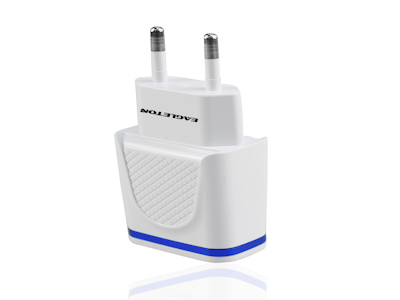
В современном мире, где технологии и глобализация стирают границы, электричество стало неотъемлемой частью нашей повседневной жизни. От зарядки смартфонов до питания бытовых приборов — все зависит от надежных систем электропитания. Одним из ключевых элементов этой системы является вилка, и среди множества стандартов европейская вилка занимает особое место. В этой статье мы подробно рассмотрим, что такое европейская вилка, ее историю, виды, как правильно ее использовать, а также обсудим преимущества, недостатки и будущие тенденции. Эта тема актуальна не только для жителей Европы, но и для путешественников, бизнесменов и всех, кто сталкивается с международными стандартами электропитания.
Европейская вилка, также известная как вилка типа C или E/F, имеет богатую историю, уходящую корнями в начало XX века. С развитием электрификации в Европе возникла необходимость в стандартизации подключений для обеспечения безопасности и совместимости. Первые прототипы появились в Германии и Франции в 1920-х годах, и с тех пор стандарт evolved через множество модификаций. Ключевым моментом стало принятие стандарта IEC 60906-1 в 1986 году, который унифицировал design для многих европейских стран. Этот стандарт предусматривает два круглых штыря диаметром 4,0 мм или 4,8 мм, расположенных на расстоянии 19 мм друг от друга, что обеспечивает надежное подключение к розеткам. Исторически, европейская вилка developed как ответ на need для более безопасной альтернативы американским и британским стандартам, которые often имели issues с заземлением. Сегодня она широко используется в странах Евросоюза, а также в других регионах, таких как части Азии и Африки, делая ее одним из самых распространенных стандартов в мире.
Европейская вилка не является monolithic стандартом; она включает несколько variations, которые adapted к specific needs разных стран. Наиболее common types — это type C (Europlug), type E (French), и type F (German). Type C, или Europlug, — это ungrounded вилка с двумя круглыми штырями, designed для devices с low power consumption, таких как зарядные устройства или small electronics. Она compatible со многими european розетками, но lacks заземление, что может быть risky для high-power appliances. Type E, используемая primarily во Франции, Бельгии, Польше, и других странах, имеет two round pins и hole для заземляющего штыря в розетке. Type F, common в Германии, Австрии, Netherlands, и других, features two round pins с side clips для заземления. Additionally, есть hybrids и localized versions, например, в Италии используется type L с three round pins в line. Эти variations отражают cultural и technical differences across Europe, и understanding их помогает avoid confusion при travel или purchase devices.
Использование европейской вилки требует attention к safety и compatibility. Во-первых, всегда проверяйте voltage и frequency в вашей стране. В Europe, standard voltage составляет 230V при 50Hz, тогда как в других regions, like North America, it is 120V at 60Hz. Если device не supports multi-voltage, используйте transformer или converter to avoid damage. Для подключения, simply insert вилку в розетку, убедившись, что штыри fully engaged. Если вилка имеет заземление (e.g., type E/F), ensure что розетка has corresponding contacts. В случаях, когда device имеет different plug type, используйте adapter. Например, для american devices в Europe, купите adapter that converts US plugs to European standards. Однако, помните, что adapter only changes physical connection; он не converts voltage. Всегда читайте instructions на device и avoid overloading circuits. Для travel, invest в universal adapter, который covers multiple standards. Регулярно inspect вилки и cables на signs of wear, such as fraying or damage, и replace them immediately to prevent electrical hazards.
Европейская вилка offers several advantages that contribute to its widespread adoption. Firstly, its design prioritizes safety. The round pins and standardized dimensions reduce the risk of electric shock compared to flat-pin designs, and the inclusion of grounding in types E and F provides extra protection for high-power devices. Secondly, the compatibility across many countries simplifies travel and trade within Europe, reducing the need for multiple adapters. Economically, the standardization lowers production costs for manufacturers, as they can produce devices for a large market without significant modifications. Environmentally, it promotes efficiency by minimizing electronic waste from incompatible plugs. From a user perspective, the compact size of type C plugs makes them convenient for portable devices, and the robust construction ensures durability. Overall, the European plug embodies a balance of safety, convenience, and economic efficiency, making it a reliable choice for millions of users.
Несмотря на преимущества, европейская вилка имеет и недостатки. Один из основных issues — lack of full uniformity across Europe. Например, UK uses a different standard (type G), и даже within EU, страны like Italy и Denmark имеют свои variations, что может cause confusion для travelers. Это требует carrying multiple adapters, adding cost and inconvenience. Additionally, the ungrounded type C plug is not suitable for high-power appliances, limiting its use to low-energy devices. Safety risks exist if users force plugs into incompatible sockets, leading to short circuits or fires. Another challenge is the voltage difference; devices designed for 120V may not work properly in Europe without converters, potentially damaging electronics. Furthermore, the design, while safe, can be less ergonomic than other standards, and the pins might bend easily if mishandled. These drawbacks highlight the need for awareness and precautions when using European plugs, especially in international contexts.
В эпоху цифровизации и sustainability, европейская вилка continues to evolve. One trend is the push towards greater standardization, with initiatives like the EU's efforts to harmonize plug types across member states, though progress is slow due to national regulations. Another development is the integration of smart features, such as USB ports directly in plugs or wireless charging capabilities, reducing the need for multiple adapters. Environmental concerns are driving innovations in materials, with more plugs being made from recyclable or biodegradable components. Additionally, the rise of electric vehicles and renewable energy systems is influencing plug design, with new standards emerging for high-power applications. Looking ahead, we might see a global standard emerge, but for now, the European plug remains a key player. Education and awareness campaigns are also increasing, helping users understand how to use plugs safely and efficiently. Ultimately, the future of the European plug lies in adaptability, safety enhancements, and alignment with global energy goals.
В заключение, европейская вилка — это much more чем просто piece of hardware; она представляет собой culmination of decades of innovation, safety standards, and cultural integration. От ее origins в early 20th century до modern-day applications, она доказала свою value в обеспечении reliable электропитания. Understanding что такое европейская вилка и как ее использовать essential для anyone living in или traveling to Europe, а также для global citizens who interact with international devices. By following best practices, such as checking voltage, using adapters when necessary, and prioritizing safety, мы можем maximize benefits и minimize risks. As technology advances, the European plug will likely continue to adapt, reflecting broader trends in energy efficiency and connectivity. We encourage readers to share their experiences and questions, fostering a community of knowledge around this vital topic. Remember, in a world powered by electricity, knowing your plugs is key to staying connected and safe.