
Текущее местоположение: Главная страница> Информационный центр> Длина кабеля питания тайна эффективной работы устройств
Время публикации:2025-11-29 16:01:10
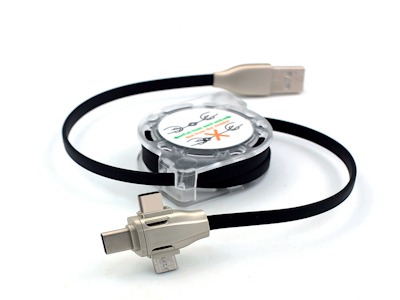
В современном мире электронные устройства стали неотъемлемой частью нашей повседневной жизни. От смартфонов и ноутбуков до крупной бытовой техники — все они зависят от надежного питания. Однако мало кто задумывается о том, что даже такая мелочь, как длина кабеля питания, может существенно влиять на производительность и энергоэффективность устройств. В этой статье мы глубоко погрузимся в эту тему, раскроем научные основы, представим практические советы и развенчаем распространенные мифы. Приготовьтесь узнать, как оптимизировать использование ваших гаджетов, просто выбрав правильный кабель!
Электрический ток, протекающий по кабелю, сталкивается с сопротивлением, которое приводит к потерям энергии в виде тепла. Чем длиннее кабель, тем выше сопротивление и, следовательно, больше потерь. Это не просто теоретическая физика — на практике это означает, что устройства могут получать меньше энергии, чем требуется, что приводит к снижению эффективности, замедлению зарядки или даже повреждению компонентов. Например, при использовании слишком длинного кабеля для зарядки смартфона вы можете заметить, что он заряжается медленнее или перегревается. В промышленных условиях неправильный выбор длины кабеля может вызвать сбои в работе оборудования и увеличить затраты на электроэнергию.
Но как именно это работает? Давайте начнем с основ электротехники. Сопротивление провода зависит от его материала, сечения и длины. Медь, commonly used in cables, has low resistance, but it's not zero. For a standard USB cable, resistance might be around 0.1 ohms per meter. If the cable is 2 meters long, total resistance could be 0.2 ohms. When a device draws current, say 2 amps for charging, the voltage drop due to this resistance is calculated by Ohm's law: V = I * R = 2 * 0.2 = 0.4 volts. If the power supply outputs 5 volts, the device only receives 4.6 volts, which can slow down charging or cause inefficiencies.
This effect is magnified in high-power applications. For instance, in data centers or manufacturing, cables powering servers or motors can be dozens of meters long. Here, energy losses translate directly into higher electricity bills and reduced reliability. Studies show that up to 5% of energy can be lost in cabling systems if not optimized. That's why professionals always calculate the appropriate cable length based on current draw and voltage requirements.
Beyond energy losses, long cables can introduce electromagnetic interference (EMI), which affects signal integrity in devices like computers or audio equipment. Shorter cables minimize this risk, ensuring cleaner power delivery. Additionally, safety concerns arise with excessively long cables, as they are more prone to tangling, damage, or even fire hazards if not properly installed.
In the consumer realm, many people overlook this aspect. They might buy a cheap, long cable from an unknown brand, not realizing it could harm their device. Brands like Apple or Samsung often specify recommended cable lengths for their products to ensure optimal performance. Ignoring these guidelines can void warranties or lead to premature failure.
So, what's the ideal length? It depends on the device and usage. For most household gadgets, a cable of 1-2 meters is sufficient. In professional settings, engineers use formulas to determine the maximum length before significant losses occur. Tools like voltage drop calculators are available online to help with this.
Moreover, the type of cable matters. Thicker cables with larger cross-sectional areas have lower resistance, allowing for longer lengths without major losses. For example, a cable with a gauge of 18 AWG can be longer than one with 24 AWG for the same current. Always check the specifications when purchasing cables.
In conclusion, paying attention to cable length is a simple yet powerful way to enhance device efficiency. It saves energy, extends device lifespan, and improves performance. As we move towards a more connected world, optimizing such small details can make a big difference. Stay tuned for the next sections where we dive deeper into the science and practical tips!
Чтобы fully understand why cable length affects efficiency, we need to delve into the physics of electricity. Resistance in a conductor is given by R = ρ * L / A, where ρ is the resistivity of the material, L is the length, and A is the cross-sectional area. For copper, ρ is approximately 1.68 × 10^{-8} ohm-meters. This means that doubling the length doubles the resistance, assuming the area is constant.
When current flows through a resistor, power is dissipated as heat according to P = I^2 * R. This lost power does no useful work and simply warms the cable. In devices, this can lead to thermal issues. For instance, in a gaming laptop drawing high current, a long cable might cause the adapter to overheat, reducing its efficiency and potentially shortening its life.
Voltage drop is another critical factor. As mentioned earlier, V_drop = I * R. If the drop is too high, the device may not operate correctly. Many devices have a minimum voltage threshold; if supply voltage falls below this, they might shut down or malfunction. In audio systems, voltage drop can cause hum or distortion due to inadequate power.
In AC systems, the situation is more complex due to inductive and capacitive effects, but the principle remains: longer cables increase impedance, leading to losses. For DC devices like smartphones, the analysis is simpler, but the impact is real.
Real-world examples abound. A study by the Energy Department found that in home entertainment systems, improper cabling can waste up to 10% of energy. Similarly, in electric vehicles, cable length between the charger and battery is crucial for fast charging times. Tesla, for example, designs its Supercharger stations with short, thick cables to minimize losses.
To mitigate these issues, always use the shortest cable possible for the application. If a longer cable is necessary, choose one with a larger gauge to reduce resistance. Regularly inspect cables for damage, as wear and tear can increase resistance over time.
Understanding these principles empowers consumers to make informed choices. Don't just grab any cable; think about length and quality. It's a small step that contributes to energy conservation and device longevity.
Now that we've covered the theory, let's talk practical advice. First, assess your needs. For charging phones or tablets, a cable of 1 meter is often ideal—it reduces clutter and losses. If you need more reach, opt for 2 meters but ensure it's from a reputable brand with good conductivity.
Check the device manual or manufacturer's website for recommendations. Apple, for instance, suggests using their certified cables to avoid issues. For power-hungry devices like gaming consoles or PCs, consider using a power strip with built-in surge protection and shorter cables to the outlet.
In industrial settings, consult an electrician. They can calculate the optimal cable length based on load current and voltage drop tolerances. Tools like the National Electrical Code (NEC) provide guidelines for safe installations.
Avoid daisy-chaining cables or using extensions unnecessarily. Each connection adds resistance and potential failure points. Instead, reposition devices or use a single, appropriate-length cable.
Test your setup. Use a multimeter to measure voltage at the device end while it's operating. If there's a significant drop, shorten the cable or upgrade to a thicker one. Apps and devices are available that monitor power delivery in real-time.
Lastly, consider future-proofing. As devices become more efficient, cable requirements might change, but the basics remain. Investing in quality cables now can save money and hassle later.
By following these tips, you can ensure that your devices run efficiently and safely. Remember, every watt saved counts towards a greener planet and a healthier wallet.
In summary, the length of a power cable is far from trivial—it's a key factor in device efficiency. From reducing energy losses to improving safety, choosing the right length can have a profound impact. We hope this article has shed light on this often-overlooked aspect and inspired you to optimize your setups.
Share this knowledge with others! Spread the word about the importance of cable length. Together, we can make our electronic ecosystems more efficient and sustainable.
Thank you for reading. Stay powered efficiently!